

How to Tell If Your Dog Is in Pain (Signs Most Owners Miss)
Dogs are incredibly good at hiding pain—and that can make it dangerously easy to miss.
Unlike humans, dogs don’t always cry, limp, or show obvious signs when something is wrong. In many cases, the signs are subtle, behavioral, and easy to overlook.
This guide will help you recognize the early warning signs of pain in dogs, so you can take action before things get worse.
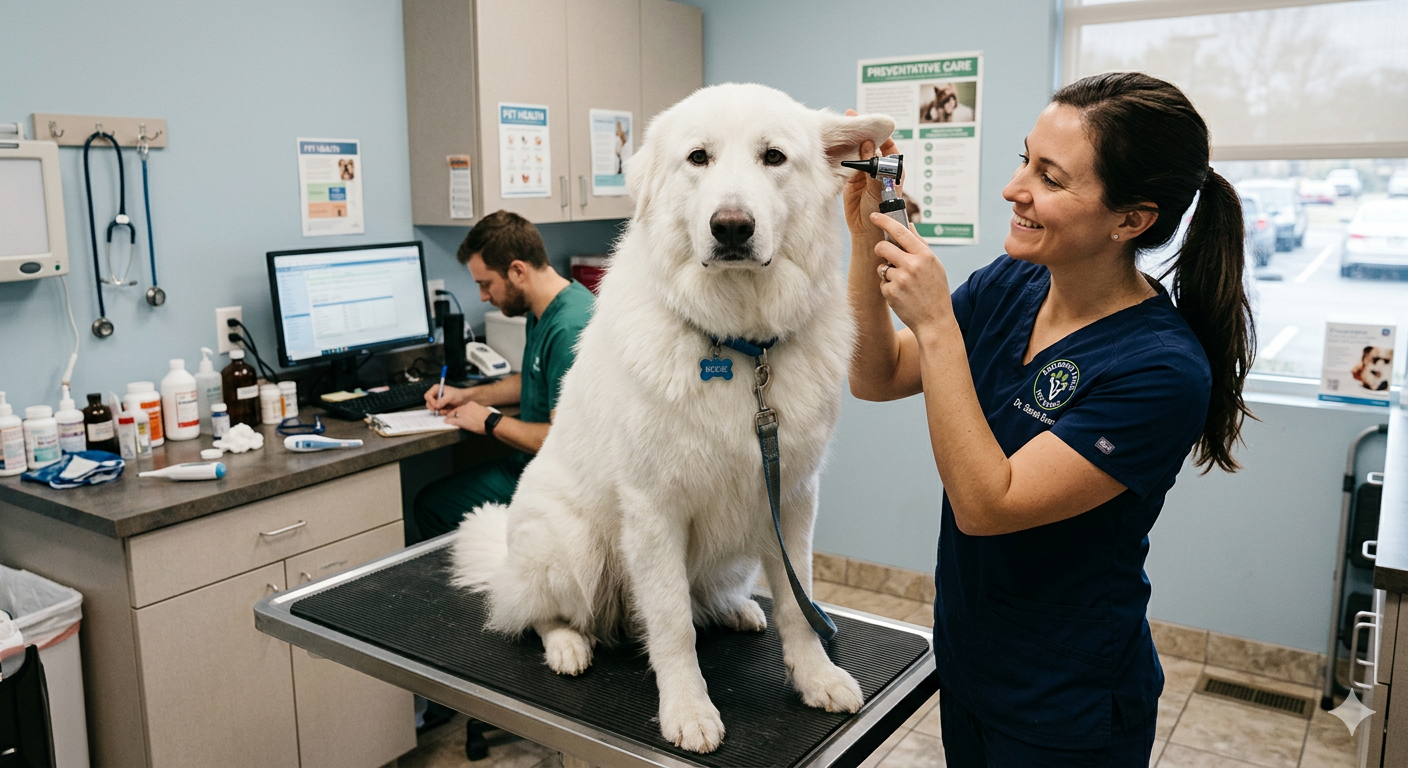
⚠️ Why Dogs Hide Pain
Dogs instinctively hide pain as a survival mechanism. In the wild, showing weakness can make an animal a target.
That means by the time your dog shows obvious symptoms, the issue may already be advanced.
That’s why recognizing subtle changes is so important.
—🐾 1. Changes in Behavior
One of the earliest and most overlooked signs of pain is a shift in your dog’s normal behavior.
- Becoming more withdrawn or quiet
- Sudden clinginess or neediness
- Aggression when touched
- Avoiding interaction
If your dog “just isn’t acting like themselves,” it’s worth paying attention.
—🚶 2. Changes in Movement
Even small changes in how your dog moves can signal discomfort.
- Stiffness when getting up
- Slower walks or hesitation
- Limping (even occasionally)
- Reluctance to jump or use stairs
These signs are especially common in larger dogs and may point to joint pain or early mobility issues.
Support Your Dog’s Joints Early
Orthopedic beds can relieve pressure on joints and help dogs rest more comfortably.
View Orthopedic Dog Beds😴 3. Changes in Sleeping Habits
Pay attention to how and where your dog sleeps.
- Sleeping more than usual
- Restlessness or inability to get comfortable
- Changing sleep locations frequently
Discomfort often shows up first when your dog is trying to rest.
—🍽️ 4. Appetite Changes
A dog in pain may lose interest in food—or sometimes eat less than usual.
This is especially concerning if it happens suddenly or lasts more than a day.
—😟 5. Subtle Physical Signs
These are easy to miss but important:
- Excessive licking of a specific area
- Panting without exercise
- Shaking or trembling
- Changes in posture (hunched, tense)
Dogs often try to “self-soothe” pain through licking or repositioning.
Keep Your Dog Comfortable
Supportive mats and calming spaces can help reduce stress and discomfort.
Shop Comfort & Support Products🚨 When to Call the Vet Immediately
Do not wait if you notice any of the following:
- Severe limping or inability to walk
- Whining, crying, or yelping
- Bloated abdomen
- Sudden collapse or weakness
- Refusal to eat for more than 24 hours
These can indicate serious or life-threatening conditions.
—🛑 Trust Your Instincts
You know your dog better than anyone.
If something feels off—even if you can’t explain it—it’s always better to check.
Early action can prevent bigger problems later.
—🐾 The Bottom Line
Dogs don’t always show pain in obvious ways, but the signs are there if you know what to look for.
By paying attention to small changes in behavior, movement, and habits, you can catch issues early and keep your dog healthy and comfortable.
When in doubt—always err on the side of caution.
—