Pancreatitis
The pancreas is a small organ tucked next to the stomach and small intestine. It has two big jobs. It makes digestive enzymes that break down fat, protein and carbs, and it makes insulin, which controls blood sugar.
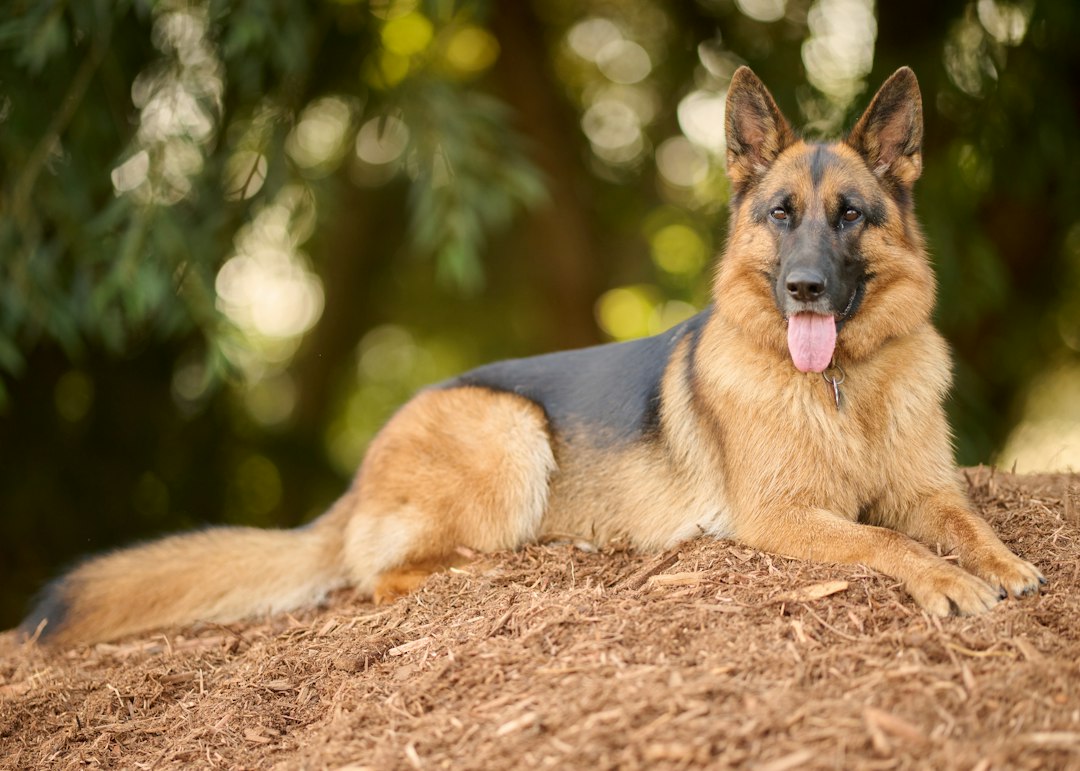
How to Spot Pancreatitis in Large Dogs (and Keep them healthy)
Oct 10, 2026
We lost Todd's best friend, and it happened fast.
This week our pack got smaller. Todd's best dog friend, his beach buddy and the one dog who never minded being leaned on by all of Todd,
passed away from pancreatitis. One day she was a little off. Very soon after,
she was gone.
If you have ever loved a dog, you know there are no words
that fix that. Todd is a little quieter right now, and so are we.
We are not vets, and this post is not a replacement for one.
So we did what we do best: we dug in, read everything we could from veterinary sources, and wrote it down in plain English.
If this post helps even one big-dog family catch the signs a
few hours sooner, then our friend's story did some good. Here is what we
learned about pancreatitis in large dogs, what to watch for, and how to help
dogs like Shepherds stay healthy.
What a "leaky pancreas" really means
The pancreas is a small organ tucked next to the stomach and
small intestine. It has two big jobs. It makes digestive enzymes that
break down fat, protein and carbs, and it makes insulin, which controls
blood sugar.
Normally those digestive enzymes stay switched off until
they reach the intestine. In pancreatitis, the pancreas becomes inflamed and the enzymes can switch on too early, while they are still inside the pancreas. That is the "leak" people talk about. The enzymes start damaging the pancreas itself and the tissue around it, and the inflammation can spread through the belly and into the rest of the body.
There are two main kinds:
Acute pancreatitis comes on suddenly. It can be mild, or it can become
life-threatening within hours to days and usually needs hospital care.
Chronic pancreatitis is ongoing, lower-grade inflammation. Signs come and go, and it is managed long term, mostly through diet.
In the worst acute cases, the inflammation can trigger problems far beyond the belly, including shock, trouble breathing, and a dangerous clotting disorder called DIC that causes abnormal bleeding. Severe cases can also damage the cells that make insulin and leave
a dog diabetic. This is why vets treat a suspected pancreatitis attack as an
emergency, not a "wait and see."
Why big dogs and Shepherds need extra attention
Here is something that surprised us. When vets list the
breeds most known for pancreatitis, it is mostly smaller dogs: Miniature
Schnauzers top the list, along with Yorkies, Cocker Spaniels, Dachshunds and Poodles, according to the Merck Veterinary Manual. Most cases have no single known cause.
But any dog can get pancreatitis, and big dogs come with a few extra risks of their own:
Counter-surfing is easy when you are tall.
The most common trigger vets see is "dietary indiscretion": a dog eating something fatty from the trash, the counter or the barbecue (Whole Dog Journal). A Shepherd or a Todd can reach a whole roast without even standing on tiptoes.
Big dogs get big helpings.
A "little" bit of bacon grease or turkey skin for a large dog is still a lot of fat in one go.
Extra weight adds risk.
Obesity is one of the listed risk factors, and it can sneak up on big, food-motivated dogs.
Shepherds and their pancreas
German Shepherds have a well-known pancreas problem that is
related but different: exocrine pancreatic insufficiency (EPI). With
EPI, the pancreas slowly stops making enough digestive enzymes, so the dog cannot absorb food properly. The most common cause is a gradual loss of the enzyme-making cells, which researchers believe is inherited, and Shepherds are one of the breeds most often affected (Purina Pro Club).
EPI is not the same emergency as acute pancreatitis. It is
slow, and signs may not show until up to 90% of the pancreas has stopped
working. Chronic pancreatitis can also lead to EPI over time. Watch for:
Weight loss even though your dog is eating like a vacuum
Large, pale, greasy or "cow-pie" stools
Gas, eating poop, and greasy fur around the tail.
The good news: EPI is diagnosed with a simple blood test
(cTLI) and most dogs do well with enzyme powder added to every meal, often with vitamin B12 shots (VCA Hospitals).
Don't confuse it with bloat
Large, deep-chested dogs like Shepherds are also prone to bloat
(GDV), where the stomach fills with gas and can twist. It also causes belly
pain and restlessness, and it kills fast. The tell-tale sign is trying to
vomit but bringing nothing up, often with a swollen belly. Either way, the
answer is the same: go to the vet now (ACVS).
The warning signs (and when it's an emergency)
The hardest part about pancreatitis is that it can start out
looking like a regular upset stomach. Mild cases may only show vague signs like a skipped meal, being tired, or loose stool (Merck Veterinary Manual). Big, tough dogs are also good at hiding pain, and vets say belly pain in animals is often missed.
Here is what to watch for:
Sign
What it can look like
Not eating
Skipping meals or turning down favorite treats
Vomiting
Once or several times, sometimes foamy or yellow
Belly pain
Hunched back, tucked belly, flinching when the belly is touched
"Prayer position"
Front legs and chest down, rear end up, held for a while, like a stretch that doesn't end
Low energy
Hiding, not wanting to walk, lying in odd spots
Diarrhea
Loose, sometimes greasy or with a strong smell
Fever or panting
Panting at rest, warm ears, restlessness
Dehydration
Dry or tacky gums, sunken-looking eyes
Go to the vet right away if you see:
Vomiting more than once, especially with belly pain or not eating
The prayer position, a hunched back, or crying when picked up or touched
Weakness
collapse
pale gums
fast breathing Unusual bleeding or bruising
Retching with nothing coming up and
swollen belly (possible bloat)
Any of these after a fatty meal or a trash raid, even if your dog seemed
fine a few hours ago
Our biggest lesson: trust your gut. If your dog just seems
"wrong" and the stomach upset is not clearly getting better, call. An
exam and a quick blood test are a small price for peace of mind, and with
pancreatitis, hours can matter. If it's after hours, go to the emergency vet
instead of waiting for the morning.
What happens at the vet
Knowing what to expect can make a scary visit a little less
scary. There is no single perfect test for pancreatitis, so vets put several
clues together (Merck Veterinary Manual):
Exam and history. Tell them everything: what your dog ate, any trash or
counter raids, new treats, medications, and when the signs started.
Pancreatic lipase blood test (cPL). This is the most specific blood test for
pancreatitis. Many clinics can run a quick version in-house, then confirm
with a lab.
General bloodwork and X-rays. These check the kidneys, liver, blood sugar and blood fats, and rule out things like a blockage or bloat.
Abdominal ultrasound. This lets the vet see the pancreas and how inflamed it is.
Treatment
There is no magic pill for pancreatitis. Treatment is about
supporting the body while the pancreas calms down:
IV fluids to fix dehydration and keep blood flowing to the pancreas
Pain medication, because vets assume these dogs are hurting even if they
don't show it
Anti-nausea medication to stop the vomiting
Early, small, low-fat meals once vomiting is controlled. Vets used to
"rest" the gut for days, but now feeding sooner is preferred
Newer medications, like fuzapladib (Panoquell-CA1), which has conditional
FDA approval for dogs with acute pancreatitis
Mild cases often recover well with a few days of care.
Severe cases are serious and the outlook is guarded, especially if the dog is
in shock or other organs are affected. That is exactly why speed matters: the earlier treatment starts, the better the odds.
How to lower the risk
You can't prevent every case. Most have no clear cause, and
our friend was loved and well cared for. But these habits cut down the most
common triggers.
1. Watch the fat, not just the calories
A sudden fatty meal is the classic trigger. The worst
offenders are bacon and bacon grease, turkey or chicken skin, ham, sausage, gravy, butter, fatty steak trimmings and fast food. Skip the "just one bite" habit, especially for big dogs who make the most convincing eyes.
2. Holiday-proof your house
The holidays are peak pancreatitis season for a reason.
Roasts sit on counters, guests sneak treats under the table, and the trash is
full of drippings. Push food to the back of the counter, ask guests not to feed the dog, and take the trash out right after the big meal.
3. Lock up the trash and the grill
Use a locking or lidded trash can, keep the barbecue drip
tray clean, and watch beach and campsite snacks. Here on the coast, a dropped fish-and-chips basket is a big temptation.
4. Keep your dog at a healthy weight
Obesity is a known risk factor. You should be able to feel
your dog's ribs easily under a thin layer of fat and see a waist from above.
Ask your vet for an ideal weight and use a measuring cup for meals.
5. Change foods slowly
Switch dog foods over 7 to 10 days, and be careful with very
rich, high-fat foods or treats. If your dog has had pancreatitis before, your
vet may recommend a prescription low-fat diet for life.
6. Know your dog's medications
Some medications are linked to pancreatitis, including
certain seizure drugs (potassium bromide and phenobarbital) and some
immune-suppressing drugs (Merck Veterinary Manual). Never stop a medication on your own, but ask your vet if it adds risk and what to watch for.
7. Keep up with yearly bloodwork
Routine senior bloodwork can catch high blood fats
(triglycerides), hormone problems like Cushing's disease, and early diabetes. All of these are linked to pancreatitis.
Keeping your Shepherd (or any big dog) healthy
Shepherds are smart, loyal, food-loving and very good at
opening things they shouldn't. Here is a simple routine for big-dog families:
Feed two or three smaller meals a day
instead of one big one. It's easier
on digestion and lowers the risk of bloat (ACVS).
Use a slow-feeder bowl if your dog inhales dinner.
Choose
a quality food your dog digests well, and avoid sudden switches to
rich or high-fat foods.
Pick low-fat treats: carrots, green beans, apple slices (no seeds) or small
pieces of plain cooked chicken breast.
Watch the poop. Big, pale, greasy stools or weight loss with a huge appetite can point to EPI, which is common in Shepherds. Ask your vet about a cTLI blood test.
Ask about a gastropexy. Many surgeons recommend this preventive bloat
surgery for at-risk large breeds, and it can often be done during a spay
or neuter.
Get yearly checkups, and twice a year for seniors, with bloodwork.
Know your emergency vet before you need one. Save the number and address in your phone today.
For our friend
If you take one thing from this post, let it be this: when
your big dog suddenly seems off, especially with vomiting, belly pain or not eating, don't wait it out. Call your vet. It may be nothing. But if it is
pancreatitis, getting help early gives your dog the best chance.
Hug your dogs a little longer tonight. And if you've lost
one too, we're so sorry. We see you.
With love, Todd and family
This post shares what we learned from veterinary sources.
It is not medical advice. Please talk to your own veterinarian about your dog's health, and seek emergency care right away if your dog shows signs of pancreatitis or bloat.
Sources
Pancreatitis in Dogs and Cats, Merck Veterinary Manual
Pancreatitis in Dogs: Causes, Symptoms, and Treatment,
Whole Dog Journal
Exocrine
Pancreatic Insufficiency in Dogs, VCA Hospitals
Dog Exocrine Pancreatic Insufficiency May Be Inherited,
Purina Pro Club
Gastric Dilatation-Volvulus, American College of
Veterinary Surgeons