🐕 Why Do Big Dogs Lean on You?
Leaning is one of the most common — and misunderstood — behaviors in big dogs
🐕 Why Do Big Dogs Lean on You?
If you live with a large dog, you’ve likely experienced it:
you’re standing in the kitchen or talking to someone, and suddenly 80 pounds of
loyalty slowly presses against your leg.
Leaning is one of the most common — and misunderstood —
behaviors in big dogs. Many owners wonder:
Is this affection? Dominance?
Anxiety? Or just a giant dog forgetting its size?
The answer is more fascinating than you might think.
❤️ Leaning Is Often a Sign of Affection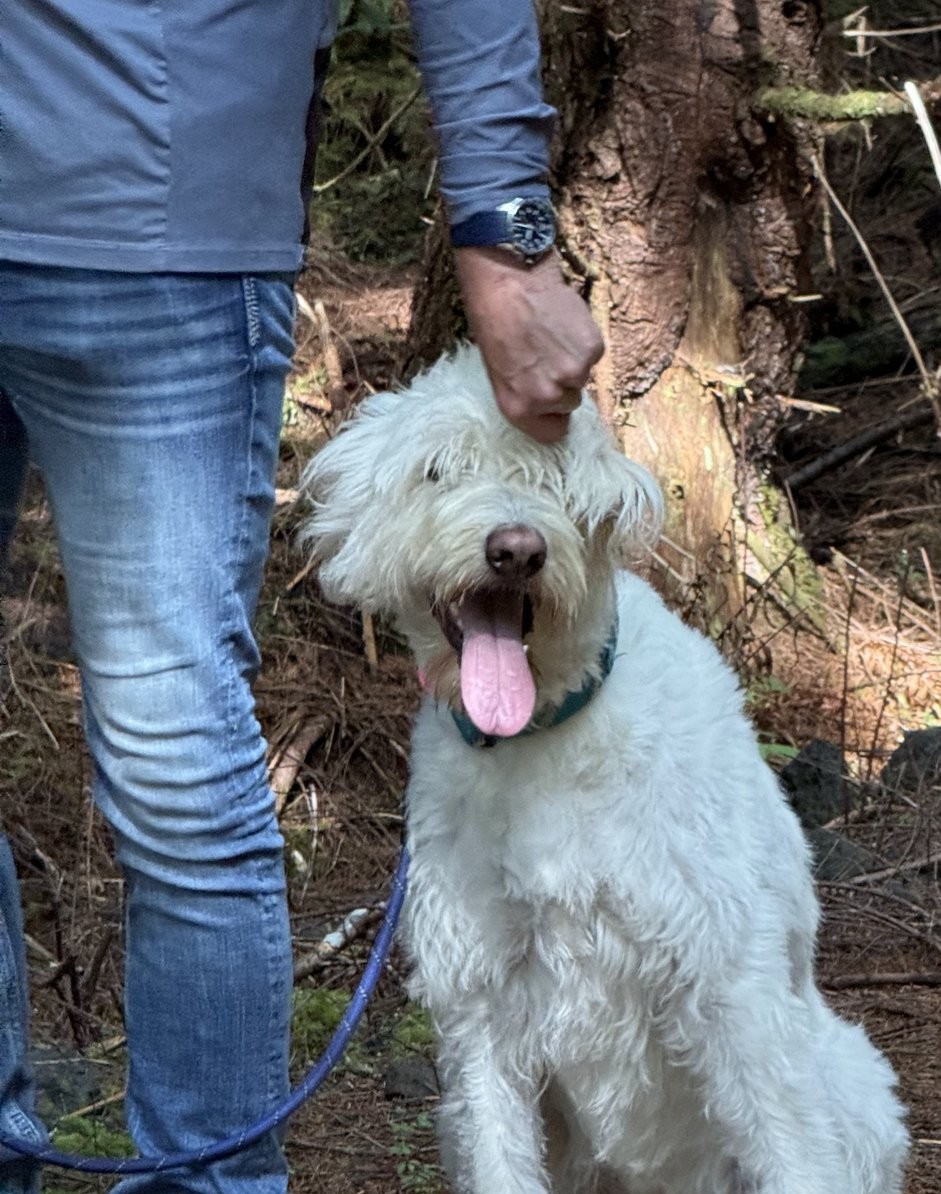
For many large breeds, leaning is a physical expression of
trust. Dogs are social mammals, and physical contact releases calming
neurochemicals in both dogs and humans.
Research published in Current Biology (Nagasawa et
al., 2015) demonstrated that positive interactions between dogs and their
owners increase oxytocin levels — sometimes called the “bonding hormone.”
When your big dog leans into you, they may be seeking
closeness and reinforcing that attachment bond.
In simple terms: leaning can mean, “You are my safe place.”
🧠 It’s a Social Behavior Rooted in Canine Instinct
Dogs evolved to live in cooperative social groups. Physical
proximity signals safety and connection. Large working breeds — including
shepherds, retrievers, and guard dogs — were specifically bred to remain
attentive to human movement and cues.
Leaning keeps them physically and socially connected to you.
Unlike smaller dogs that may climb into laps, large dogs
often express attachment by pressing their weight against your body.
👀 Reading Your Body Language
Dogs constantly monitor human posture, tone, and movement.
Leaning can be a way to gather information.
Are we about to go outside?
Is food coming?
Is something unfamiliar happening?
By leaning, your dog stays physically anchored to you while
assessing the environment.
Large breeds, especially those developed for guarding or
herding, may lean more frequently because attentiveness was selectively
reinforced in breeding.
⚖️ Is Leaning a Sign of Dominance?
Modern canine behavioral science does not support the
outdated “alpha dominance” theory for most domestic dog behavior.
Leaning is not a power move. It is typically affiliative —
meaning it promotes social bonding — not control.
According to veterinary behaviorist Dr. Karen Overall in Manual
of Clinical Behavioral Medicine for Dogs and Cats, most close-contact
behaviors reflect attachment or stress regulation rather than social hierarchy.
⚠️ When Leaning Could Signal Anxiety
Although leaning is usually affectionate, context matters.
If leaning is paired with:
Tucked tail
Excessive panting
Pacing
Whining
Your dog may be using your body as reassurance during
stress.
Loud noises, unfamiliar visitors, or changes in routine can
increase clingy behavior temporarily.
🐾 Why Big Dogs Do It More Than Small Dogs
Size changes expression. A Chihuahua may climb into your
lap. A Great Dane may lean with its entire body.
Large dogs were often bred for:
Protection and guarding
Herding livestock
Retrieving alongside hunters
Close partnership with humans
Those roles rewarded attentiveness and proximity.
Leaning is simply scaled-up attachment behavior.
🛠️ Should You Allow Leaning?
In most cases, yes. Leaning is normal, healthy, and a sign of trust.
However, you can gently shape boundaries if needed by:
Rewarding calm sitting instead of full-body leaning
Teaching a “place” command
Providing structured affection time
The goal is balance — not discouraging connection.
❓ Frequently Asked Questions
Why does my dog lean harder when strangers are nearby?
This may be reassurance-seeking behavior. Your presence provides safety.
Why does my dog lean and stare at me?
This often signals attention-seeking or anticipation of activity.
Is leaning ever aggressive?
Leaning alone is not aggression. Always evaluate full body language cues.
📚 References
Nagasawa, M., et al. (2015). Oxytocin-gaze positive loop and
the coevolution of human-dog bonds. Current Biology.
Overall, K. (2013). Manual of Clinical Behavioral Medicine for Dogs and Cats.
American Kennel Club. “Why Do Dogs Lean on People?”
ASPCA. “Canine Body Language.”